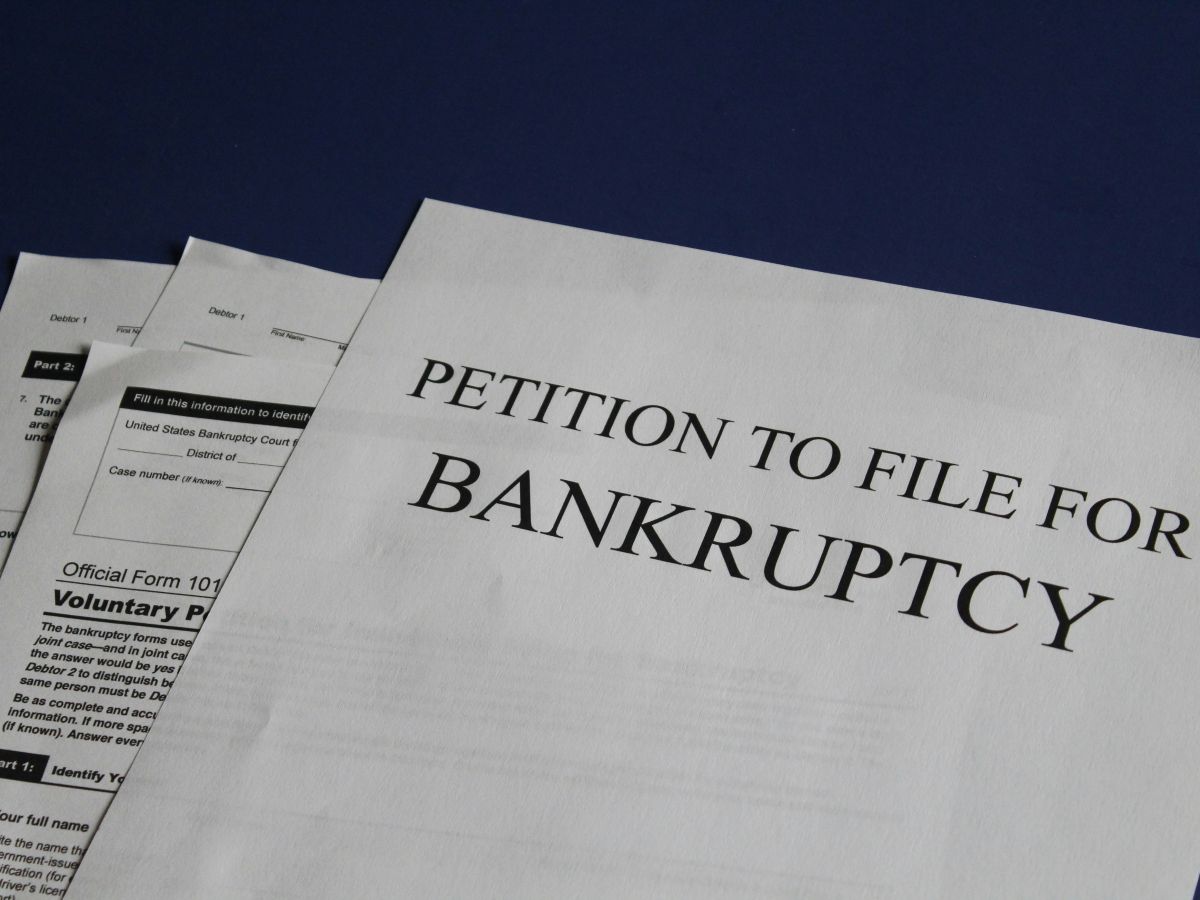
Bankruptcy is a formal legal route for dealing with debts that cannot be paid. The word can sound frightening, but it is not a judgement on someone’s worth. It is a serious debt solution with rules, costs and consequences, and it should be understood properly before anyone applies.
At the time this article was reviewed, GOV.UK said applying for bankruptcy in England and Wales costs £680 and can only be done online. The process is different in Scotland and Northern Ireland, so it is important to check guidance for where you live.
Bankruptcy can deal with many debts and may give someone a route towards a fresh start. For some people, especially where there is no realistic way to repay what they owe, it may be the right option. But it is not always quick, simple, or harmless.
Bankruptcy can affect your assets, bank account, credit file, work, business activity and future borrowing. You may need to make payments from income if you can afford to do so. Some debts may not be included. The details matter, which is why advice is so important.
There are also rules and restrictions while you are bankrupt. You may have to tell lenders about your bankruptcy if borrowing over a certain amount, and there can be restrictions around running a company or business. These rules are not there to shame you, but they do affect daily life.
Bankruptcy might be better than struggling for years with impossible repayments, but it might also be more serious than needed if another option fits. A DRO, IVA, debt management plan, informal arrangement, or other support may be more suitable depending on your circumstances.
If bankruptcy is on your mind, gather your debts, income, essential bills and letters before speaking to a free debt adviser. Having the information in one place can make the conversation easier and more useful.
Clear Balance provides general information, not debt advice. Before applying for bankruptcy or choosing any formal debt solution, speak to a free, regulated debt adviser.
This article is for general information only. It is not debt advice or legal advice.