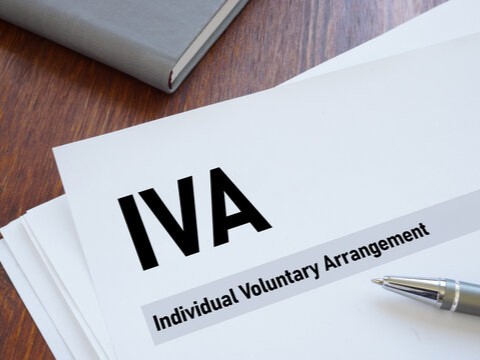
An Individual Voluntary Arrangement, or IVA, is a formal agreement between you and your creditors. It is usually arranged through an insolvency practitioner. The basic idea is that you pay an affordable amount towards your debts for an agreed period, and creditors agree how the arrangement will work.
At the time this article was reviewed, GOV.UK said an IVA starts if creditors holding 75% of your debts agree to it. Once approved, it applies to all creditors included in the IVA, even those who disagreed. It can also stop creditors taking action for the debts included in the arrangement.
An IVA can help some people because it creates a structured route through debts and may prevent included creditors from continuing separate action. For the right situation, that structure can feel more manageable than trying to handle many different accounts alone.
But an IVA is serious. It usually involves fees, your financial situation is reviewed, and you must keep up with the agreed payments. If an IVA fails, the insolvency practitioner can cancel it and, in some circumstances, make you bankrupt. It can also affect your credit file and may affect work, housing, or future borrowing.
Be especially careful with IVA adverts that make it sound like a simple way to write off debt. An IVA is not automatically the best option just because you qualify for one. A debt management plan, DRO, bankruptcy, informal arrangement, or another route may be better depending on your budget, assets, income and priorities.
Before agreeing to anything, ask what the fees are, how long payments would last, what happens if your income changes, which debts are included, and what the risks are if the IVA fails. You should understand both the relief and the responsibilities before making a decision.
Free debt advice can help you compare options without pressure. You can speak to organisations such as MoneyHelper, Citizens Advice, StepChange or National Debtline before committing to a formal solution.
Clear Balance provides general information, not debt advice. Before choosing an IVA or any formal debt solution, speak to a free, regulated debt adviser.
This article is for general information only. It is not debt advice or legal advice.